
Baltic’s Past and Future: Uniting Our Heritage through NEB Initiatives (CERV)
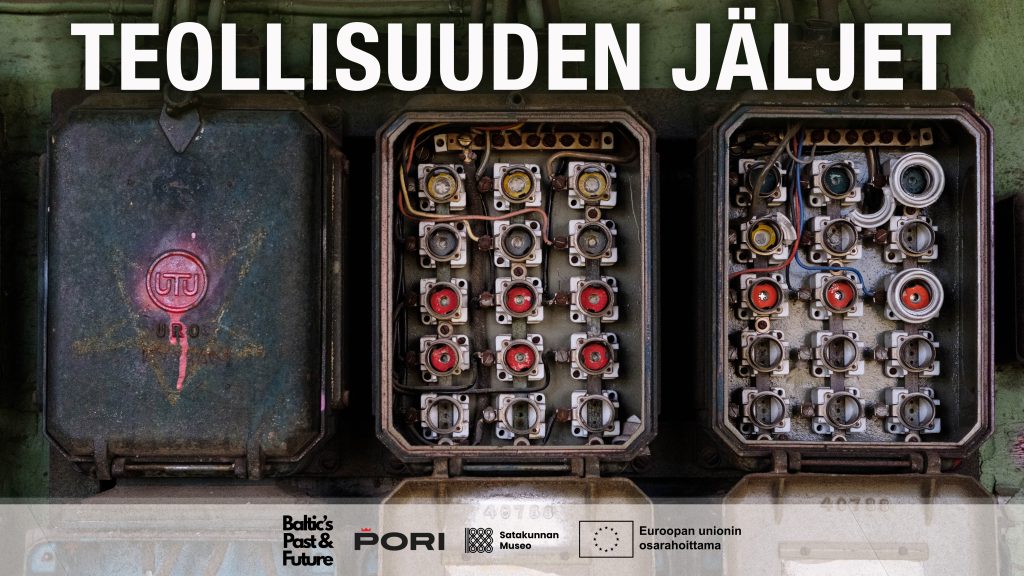
In 2026–2027, the Satakunta Museum is participating in the “Baltic’s Past and Future” project under the European Union’s Citizens, Equality, Rights and Values (CERV) programme.
The New European Bauhaus (NEB) is an EU flagship initiative aiming to create more sustainable, inclusive, and beautiful shared spaces. For this transformation to be truly impactful, it must be grounded in our shared cultural heritage and actively co-created by citizens.
In the “Baltic’s Past and Future” project, seven cities across the Baltic Sea region share a common goal: to raise awareness and understanding of NEB values at the local level and to embed them into their operations. Citizens are encouraged to participate in realizing NEB values, to help design urban development solutions and proposals aligned with NEB principles, and to strengthen their sense of belonging to the EU. The participating cities are Kiel (Germany), Gdańsk (Poland), Aizpute (Latvia), Vilnius (Lithuania), Pori (Finland), Aarhus (Denmark), and Tallinn (Estonia).
The project’s first phase (2026) focuses on raising awareness of NEB values through methods such as storytelling, surveys, and forums. In the second phase (2027), the emphasis shifts to co-creation, dialogue, and local actions. Citizens can then participate in the co-creation process and initiate concrete development activities aligned with NEB principles in their own local environments.
Autumn 2026
-
The Satakunta Museum is launching a project in Pori this autumn under the theme “Traces of Industry.” In the project’s first phase, residents are invited to observe the city’s industrial heritage and the traces it has left on the local environment through photography. Throughout the autumn, the museum will organize a themed photo collection drive, as well as photo walks and workshops that encourage participants to examine these industrial traces within the framework of NEB values and principles. The photographs collected will be featured in the “Traces of Industry” exhibition, set to open at the Rosenlew Museum in late 2027.
Spring 2027
-
In the spring of 2027, residents will be invited to consider and plan the future of a significant Pori cultural heritage site—*Himmeli*, designed by Reima and Raili Pietilä—through an open call for ideas and micro-interventions. The results of the spring activities will be presented in May at a pop-up event and exhibition.
Further information regarding the spring program will be shared later this year.
Contact: Project Researcher Niko Hakkarainen, tel. +358 50 353 4725, niko.hakkarainen@pori.fi